
Bronze Bee on Screw - Made with Recovered Shipwreck Ingots from 1863!


Bronze Bee on Screw - Made with Recovered Shipwreck Ingots from 1863!
Screw Bees!
Cast in solid Bronze made from Ingots recovered from the SS Liverpool 1863 (More information on the Shipwreck below!)
I have been making my little Honey Bees for some years now, forging and fabricating them from Mild Steel at first, then later making a version with a Brass Bum!
I now have this fancy addition, a little Bee cast from my original, in solid Bronze!
This version features an in-built Screw!
Polished up just slightly, to give them a golden shine, whilst leaving darker areas to pick out the fine details.
From the tiny hairs on their abdomen’s to the subtle texture on their wings, every last piece of hand chiseled detail is visible.
Length of Bee Body =
4.8cm (48mm)
Width of Bee Body =
3cm (30mm)
Hight of Bee Body =
1.7cm (17mm)
Screw Length =
3cm (30mm)
Screw Thickness =
3.5mm (M3.5)
This screw means that the Bee can fixed to a wooden beam or rafters, a stone wall, brick, or directly into a plaster board wall (with the use of a wall plug on all but wood).
On their own or in a little swarm, these solid, tactile, golden jewels create an eye-catching little detail to where ever they are placed.
Placed individually they can create a subtle, unexpected, decorative touch, or grouped together, spreading over a beam or wall they can become a full art installation, especially if you add to them over time!
Twist them into place, adjusting them to face in any direction you like…
Screw Bees Installation :
For Wood – Simply drill a pilot hole just smaller than the screw thickness and to the full depth of the screw length.
Hand twist in the Bee Screw – It should screw in with very little effort!
If you feel too much resistance, STOP, remove and re drill a larger hole – Bronze is Softer than Steel!
For Walls/Plaster/Stone etc – Please use an appropriate, plastic wall plug with the screw, to suit your desired wall/material, and drill the hole to suit the plug.
Careful!…The end of the Screw is sharp!
Suitable for Interior and Exterior installation.
Bronze may dull over time if placed outside, but can be buffed back up with any metal polish (such as “Brasso”etc).
Made Actual Shipwreck Treasure!
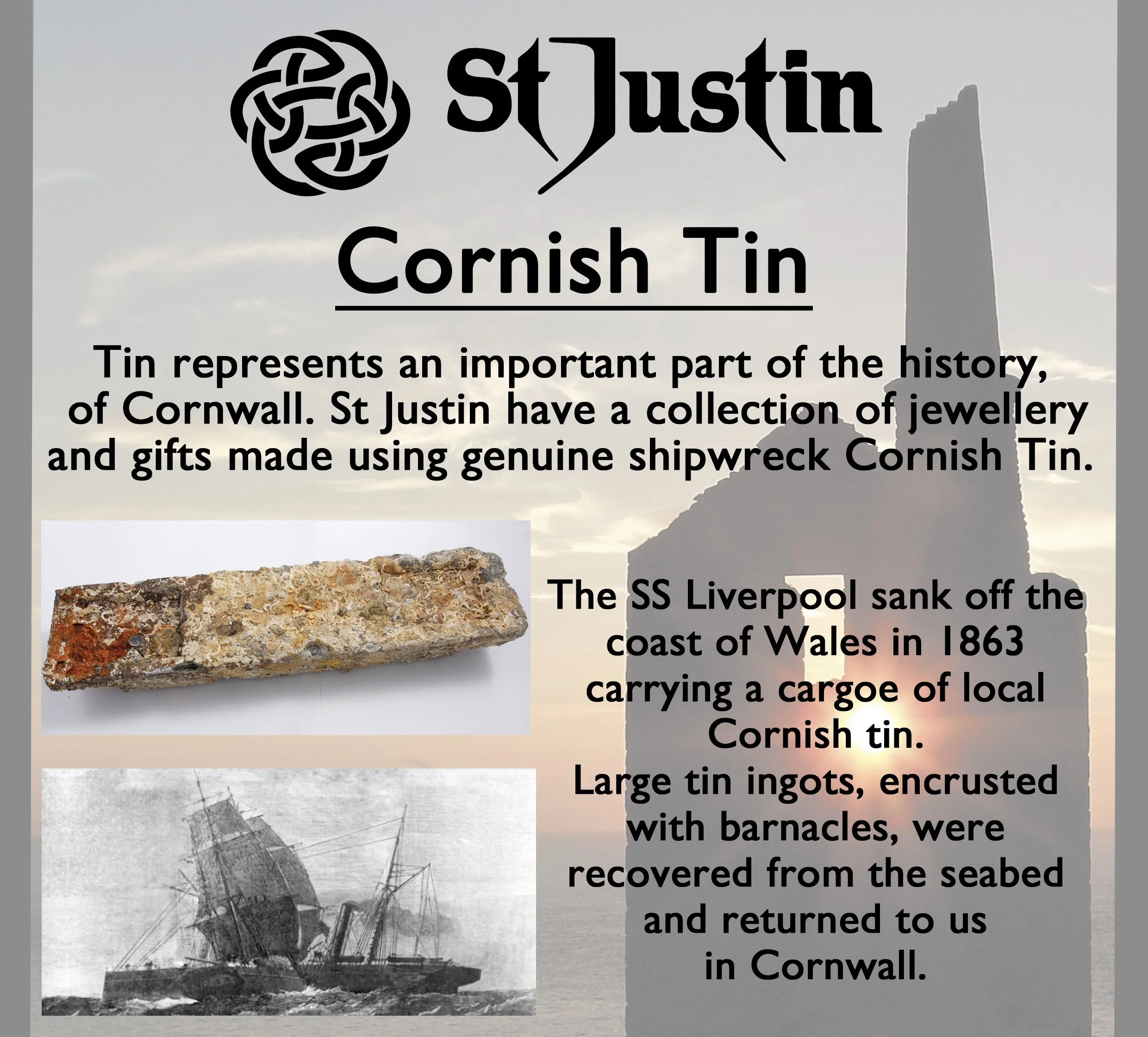
The SS Liverpool sank off the coast of Wales in 1863 carrying a cargo of Cornish tin.
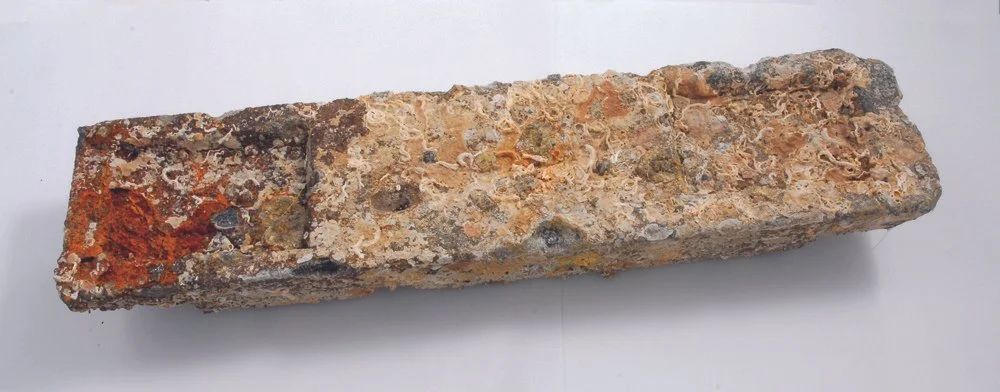
Large tin ingots, encrusted with barnacles, were recovered from the seabed and returned to Cornwall, to a wonderful company called “St Justin”.
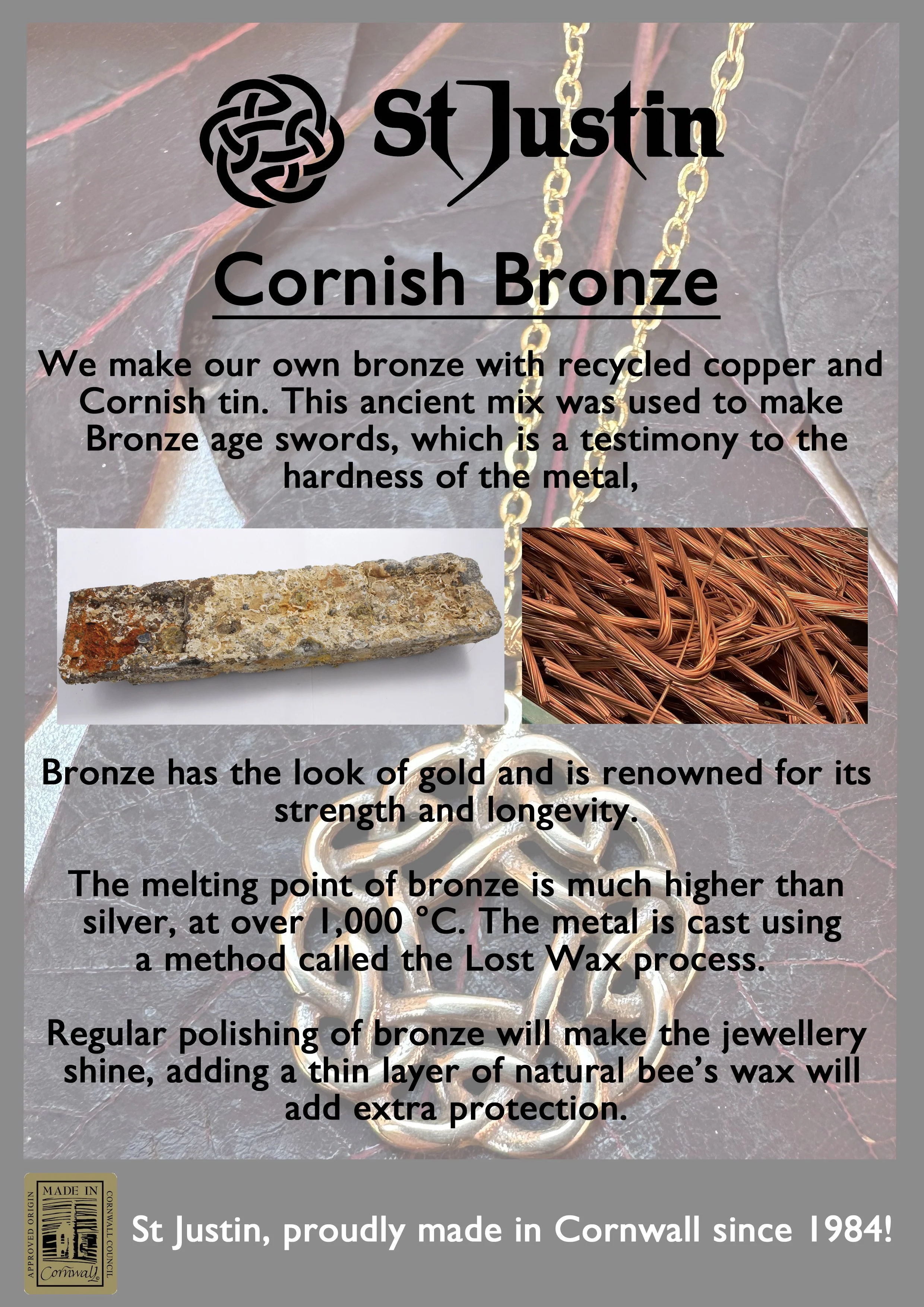
I sent St Justin’s one of my handmade, forged and fabricated, Steel Screw Bees and had the bees cast in their amazing and unique Bronze, which is smelted from Copper and Tin, the very Tin from those ingots from the SS Liverpool which sunk in 1863!
St Justin’s was started in 1984 and makes jewellery and giftware often inspired by their rich, local history, Celtic roots, heritage and mining past.
Using their renowned, quality base metals, they smelt their own Pewter, Tin and Bronze.
For their Bronze (which can be made from various mixtures) they only use Copper and Tin, referred to as “Classic Bronze”.
Giving this metal an ancient pedigree not to be found elsewhere.
Which I think is super interesting and pretty cool!
Bronze is quite a hard and durable metal and was used by our ancestors to make swords until iron was discovered and worked (Hence “The Bronze Age”).
So… When you acquire one of my “Bronze Screw Bees” you are also taking home a little piece of history!
Coming from the seaside town of Whitby, we know all too well what it is like to have a history steeped in unique local industries and geological materials.
So I thought it was very fitting to work with another Seaside-based company to give extra meaning and depth to my cast replicas!
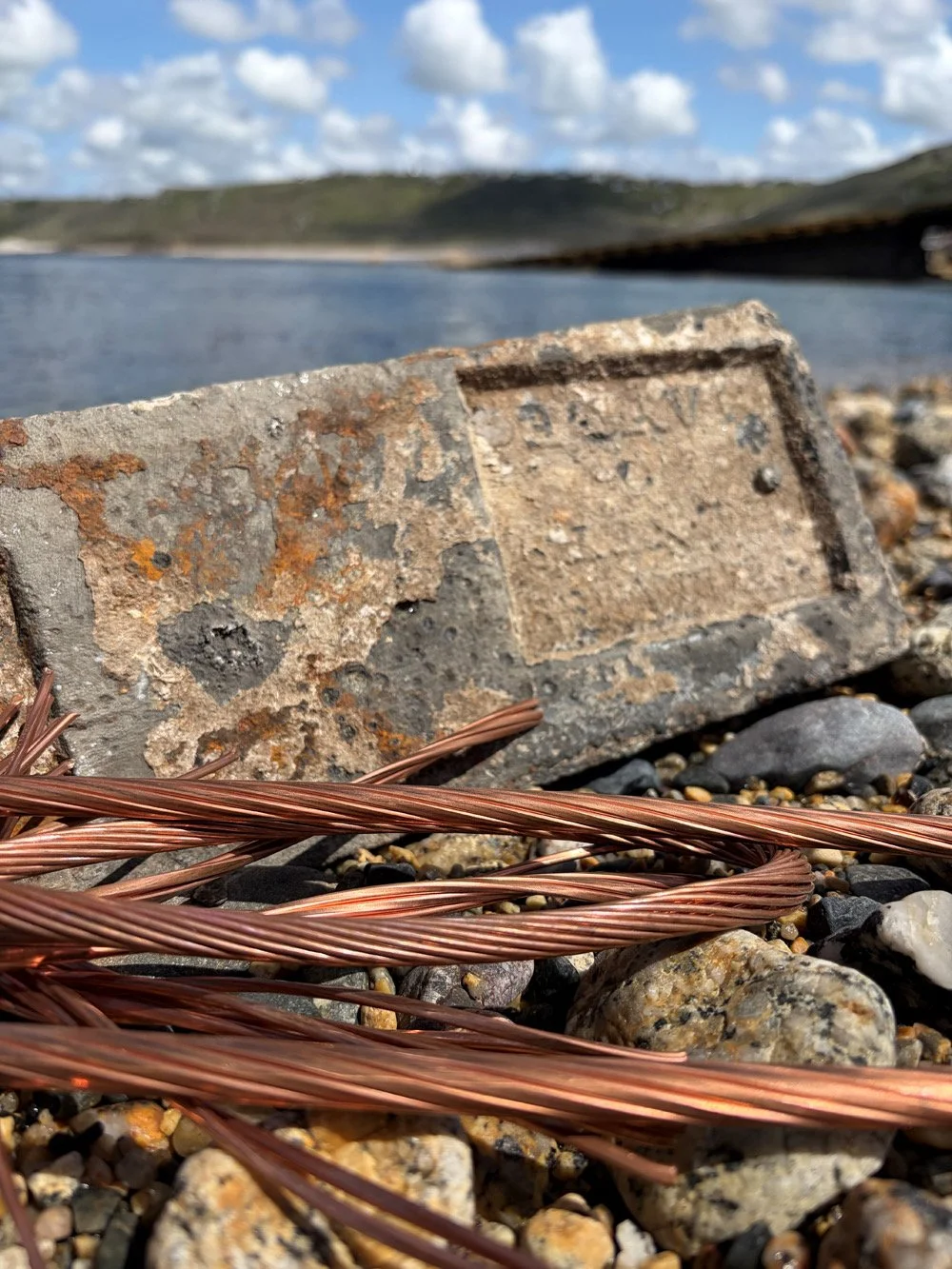
Listed are images of the actual Tin Ingots, barnacles and all!